
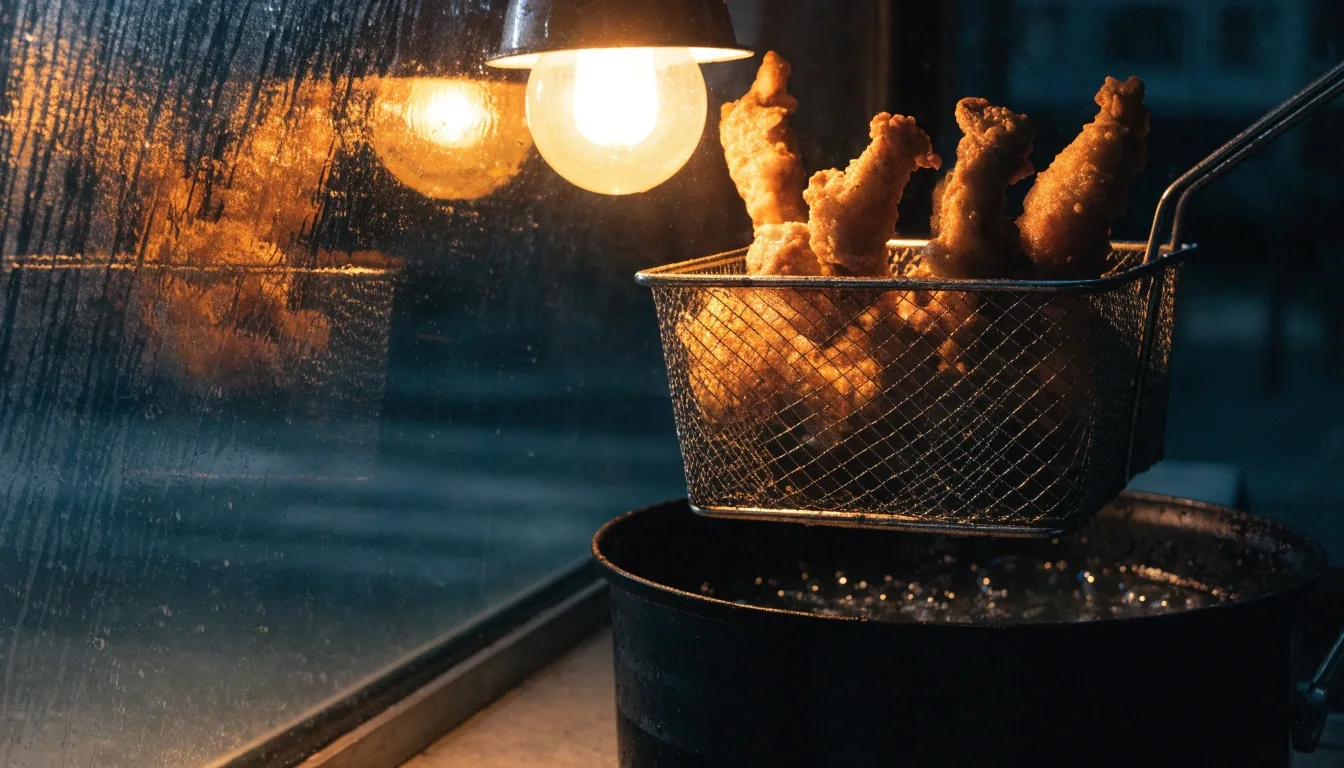
Dave's Hots Chickens — Atlanta, Georgia
About Dave's Hots Chickens
A recipe project built on one question: why does fried chicken taste better in a restaurant than it does at home? The answer is technique and consistency, not secret ingredients.
Why we built this
Dave's Hots Chickens started as a set of notes kept while trying to work out why one batch of fried chicken came out crisp and another came out heavy. The same ingredients went in both times. The difference sat in brine timing, how the dredge was pressed on, and how steadily the oil held its temperature.
That is the gap this project closes. It is a downloadable recipe collection and technique guide written for home kitchens, covering crispy strips, wings, nuggets, and breaded chicken. No commercial line, no special equipment list, no assumption that you already know what a proper dredge feels like.
The project is based in Atlanta, Georgia. Recipes are developed and tested in a home kitchen on ordinary gear, on more than one day and more than one size of bird, because a method that works once is not a method yet.
Why fried chicken, specifically
Cheap ingredients, learnable method
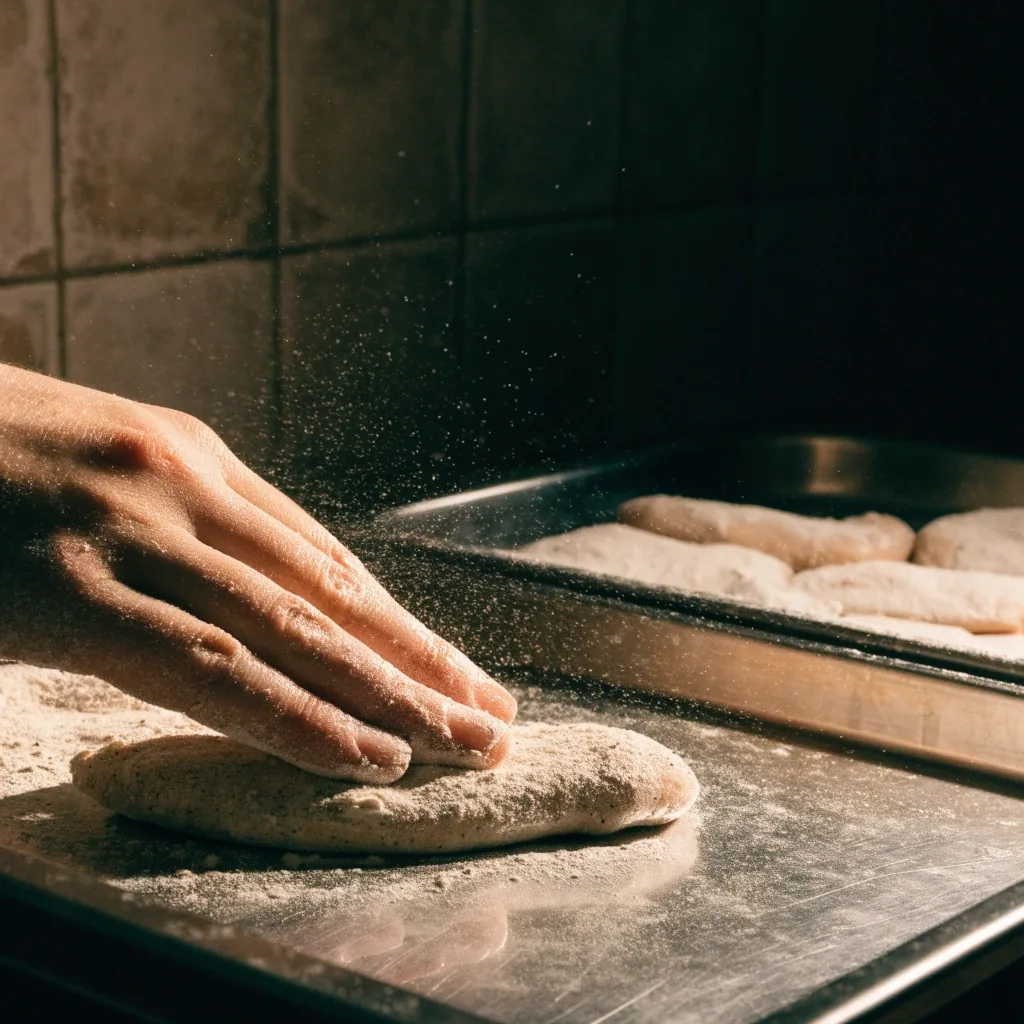
Fried chicken is one of the few dishes where the distance between a restaurant plate and a home plate is almost entirely method. Flour, chicken, salt, oil — all cheap and available in any grocery store. What separates a good batch from a mediocre one is brine timing, dredge technique, and oil temperature control. All three are learnable, and all three can be written down.
That made it worth teaching. There is real room to explain something useful here instead of repackaging recipes that already exist in a hundred places.
How the recipes are developed
Each recipe starts with a target texture and works backward from it. The brine, the dredge, and the fry temperature get adjusted until that target shows up again and again across several batches.
Target: a crust that still crackles after ten minutes on the rack. If it softens while it cools, the dredge or the first fry was wrong, and the recipe gets reworked.
Target: rendered skin with no flabbiness under the coating. That means timing the first fry long enough for the fa to render without drying the meat underneath.
Target: a coating that survives dipping without sliding off. Tested against ketchup, honey mustard, and a thin hot sauce, because a coating that only holds dry is not finished.
Target: even browning across cutlets and bone-in pieces that differ in thickness. The chart in the guide tells you when to pull each one rather than guessing.
Recipes are tested more than once, on different days, with different sizes of chicken. A recipe that only works once is not a recipe, so anything that fails a second run gets adjusted before it goes into the pack.
Where the methods come from
The collection is informed by the styles that shaped American fried chicken, without trying to clone any single restaurant. Nashville hot chicken, the regional Tennessee dish, supplies the heat-finishing method — the spiced oil poured over the crust right as it leaves the fryer. Korean fried chicken supplies the two-stage fry that produces a very crisp shell that holds up longer than a single dunk.
Fast-food chains set expectations for breading and bite-size formats that home cooks now measure themselves against. That reference point is useful: it tells you what a home batch is being compared to, and how far the gap actually is.
What all of those references share is a clear method. The goal here is to explain the method, not to imitate a brand.
What is in the collection
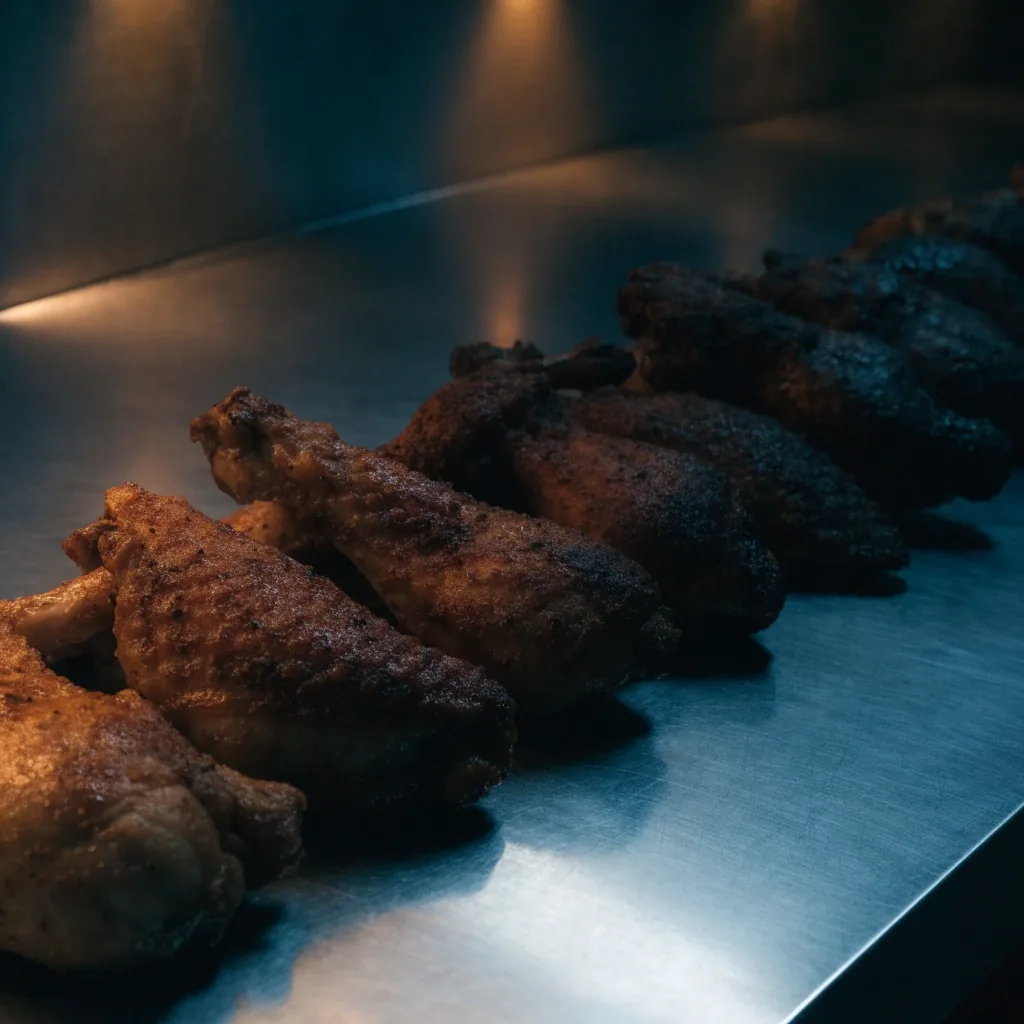
It is a downloadable pack. You get the files after purchase and can print whatever you use most, whether that is a single recipe card or the full batch chart.
Recipe formats
- Crispy strips and tenders, with a coating built to hold its crunch
- Wings, cooked for rendered skin and a clean bite
- Nuggets, shaped and coated to stay put when dipped
- Breaded cutlets and bone-in chicken, with pull times per thickness
Also inside
A technique guide
Brine, dredge, fry, finish. Each step explained with what changes when you adjust it, so you can correct a batch instead of starting over.
Sauces and blends
Four sauces and three dry finishing blends, all written with adjustable ratios rather than fixed bottle amounts.
Batch charts
Timing notes for planning a cook: what to start first, what holds well, and how long each piece should rest before it is served.
Printable files
Everything is delivered as a download, sized so the pages you use most can sit next to the stove without a screen.
Who the guide is written for
Home cooks, not professional kitchens
This is for home cooks in the U.S. who already fry occasionally and want better results. People who have followed a recipe, gotten a soggy crust or a dry interior, and want to know which step caused it.
It is also for parents cooking for a household with mixed preferences — one person wants heat, another wants plain — and for anyone who has eaten hot chicken somewhere and wants to make something close at home.
It is not written for professional kitchens and does not assume you have one. If you cook on a single burner with a thermometer and a cast-iron pan, that is enough.
What this site is not
Not a restaurant, not a diet plan
This is not a restaurant. There is no delivery, no dine-in, and no menu to order from. The address and phone number on the contact page are for questions about the recipe collection only.
It is also not a diet resource. Fried chicken is fried chicken, and the guide is about doing it properly rather than turning it into something it is not.
What you get is a set of methods that hold up when you repeat them, and enough explanation to fix a batch that did not go the way you wanted.
How to get started
Cook the free sample first
The sample is a complete recipe, not an excerpt. Take it, cook it once, and see whether the result matches what you were hoping for. If it does, the full collection is the next step. If it does not, that is useful information too — the technique guide explains which variable to change.
If you have questions before buying, ask them first. There is no pressure to decide quickly, and no countdown attached to anything here.
Questions before you buy
Straight answers about how the collection is delivered and what to expect from it.
Do I need a deep fryer to use these recipes?
No. The guide assumes a heavy pot or a cast-iron skillet on a normal stove, with a thermometer to read oil temperature. Where a recipe benefits from a different pan, it says so and explains why.
How is the collection delivered?
It is a downloadable pack. After purchase you receive the files, and you can print the pages you use most. There is no app to install and no subscription attached to it.
Can I adjust the heat level?
Yes. The sauces and dry blends are written with adjustable ratios, so you can dial heat up or down without losing the finish. The heat levels guide walks through how each step changes the result.
What if a recipe does not work the first time?
Write to us with what happened — the crust, the interior, the oil temperature you used. The technique guide covers the common causes of a soggy crust or a dry interior, and we will point you at the step to change next time.
Keep reading
Where to go next
Questions about the recipe collection are welcome any time.