
Dave's Hots Chickens — Recipe Collection
Fried Chicken Recipes for Strips, Wings and Nuggets
Four formats, one shared method, and the sauces and spice blends that work across all of them. Here is the contents list, so you can check it against your own kitchen.
What is actually inside the collection
This page is the contents list. Read it the way you would read a menu: find the format you actually cook, check that the ingredients are things you can buy at a normal grocery store, and decide from there.
Nothing here needs a specialty supplier. Buttermilk, all-purpose flour, cornstarch, cayenne, paprika, and a neutral frying oil cover most of the pack. If those are already in your cupboard, you can cook any recipe in the collection tonight.
Crispy strips and tenders
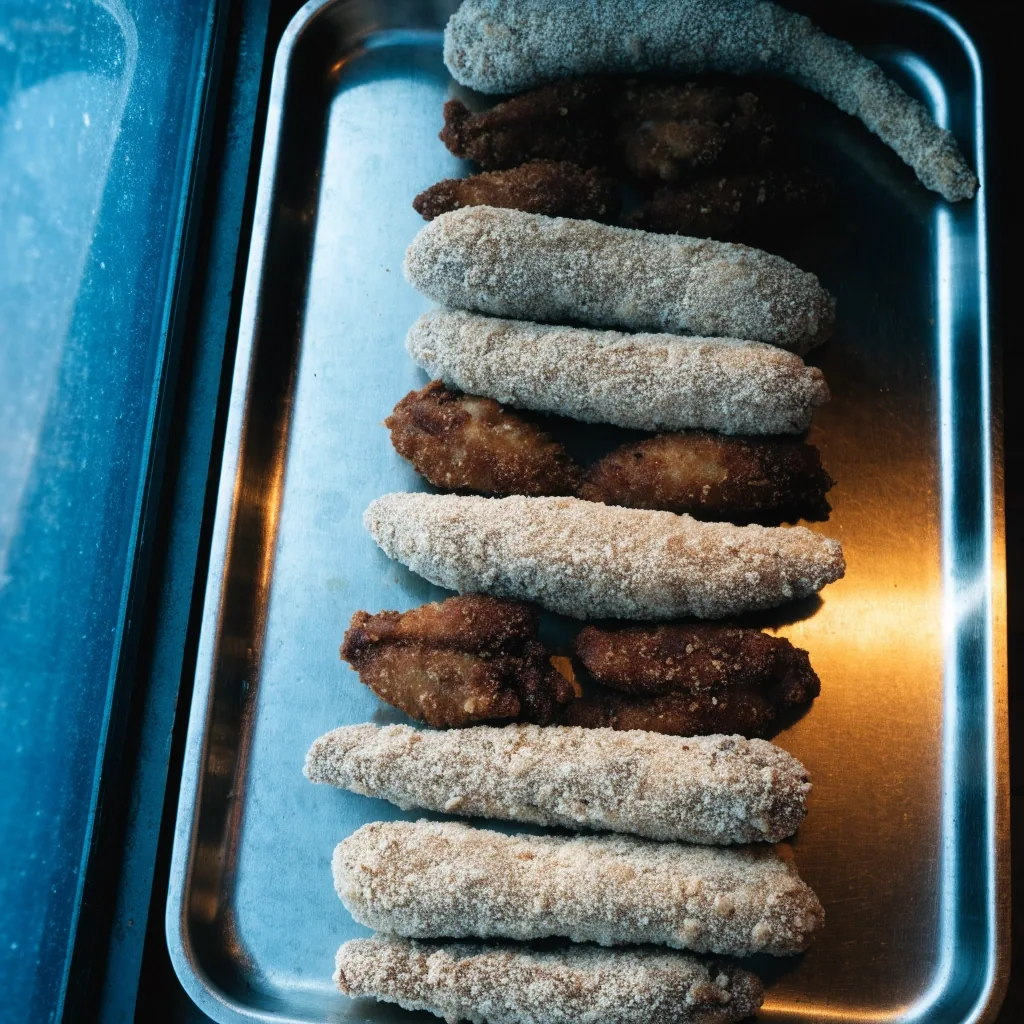
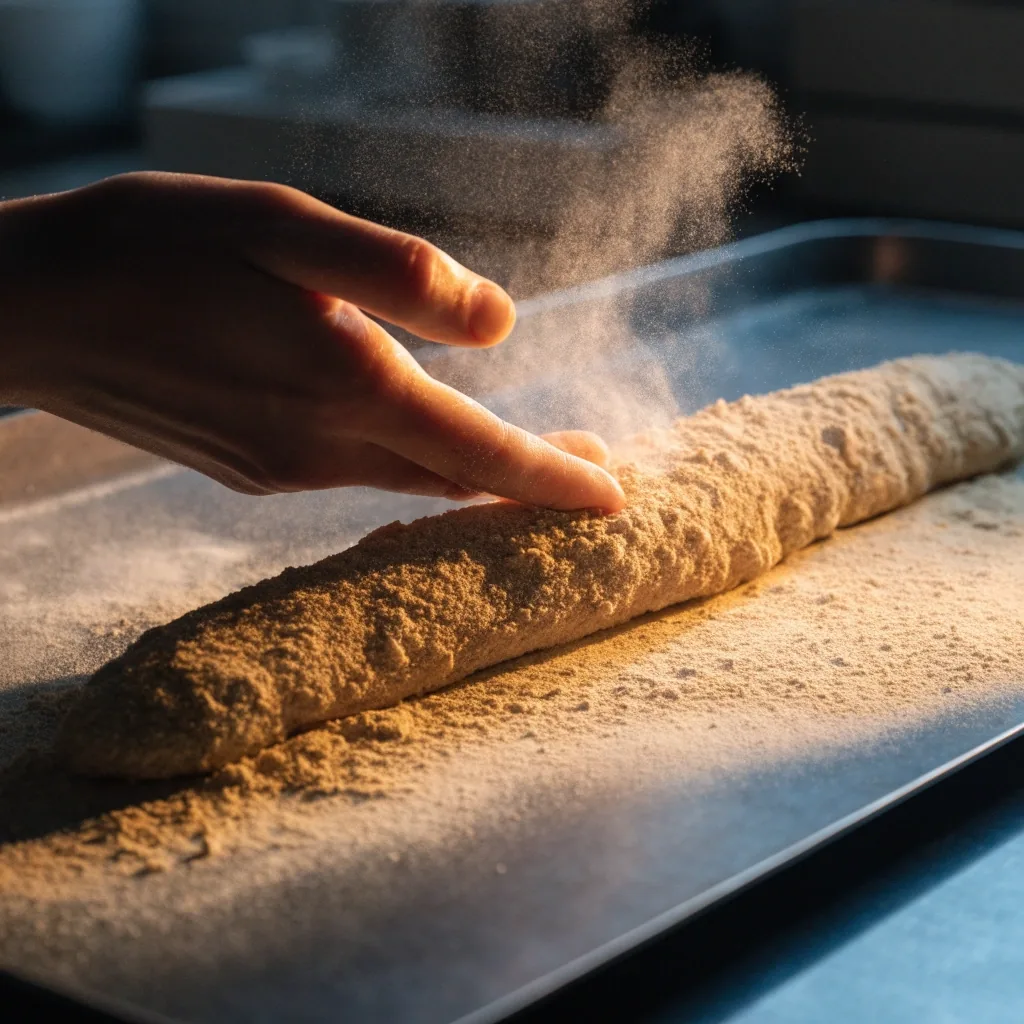
The strip recipe starts with a brine, moves to a two-pass seasoned flour dredge, and finishes in oil held between 350°F and 365°F. Tenderloins are lean, so the brine is doing real work here: it adds moisture the muscle does not have on its own. Press the flour on with your fingers rather than shaking it in a bag, and you get the craggy surface that holds sauce without going soggy.
Cooking time runs short, roughly three to four minutes per side depending on thickness. The recipe includes a doneness check that does not rely on colour alone, because a dark crust can hide an undercooked centre. This is the format most people order as chicken fingers, and it is the one where sauce variety matters most.
Wings, two ways
Wings get two recipes. The first is a classic fried wing with a dry rub applied before cooking and a sauce tossed on after. The second is a double-fried version for people who want maximum crunch and do not mind the extra step. Both start by drying the skin thoroughly, since surface moisture is the main enemy of a crisp wing.
Single fry, dry rub first
Seasoning goes on the raw wing so it settles into the skin. One pass in the oil, sauce tossed after draining. Fastest route to a sauced wing on a weeknight.
Double fry for the shell
A first lower-temperature pass renders the fa, a second higher pass builds the crust. The method is close in spirit to Korean fried chicken, though you do not need a Korean glaze to benefit from it.
Finish it either direction
A Nashville-style cayenne finish or a simple honey-butter toss both work on the double-fried base. Pick the sauce, keep the technique.
Nuggets and bite-size pieces
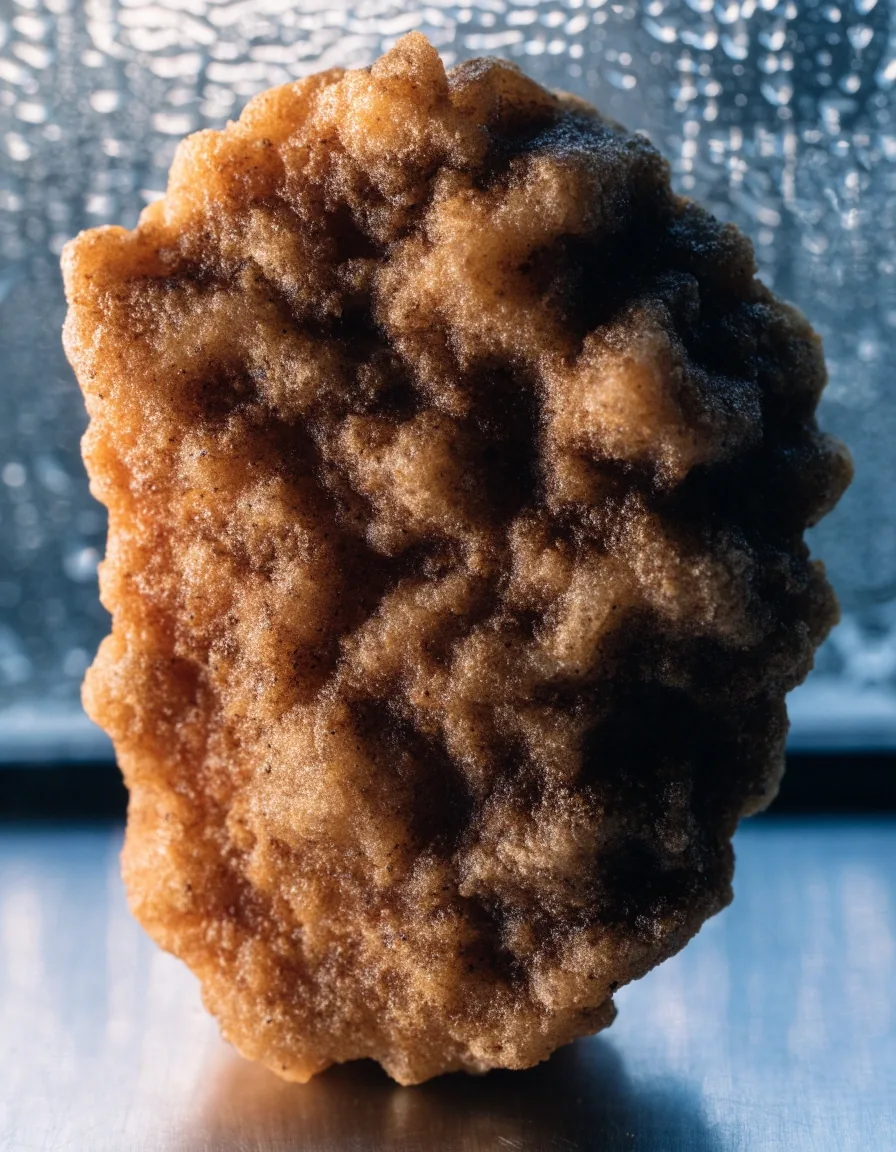
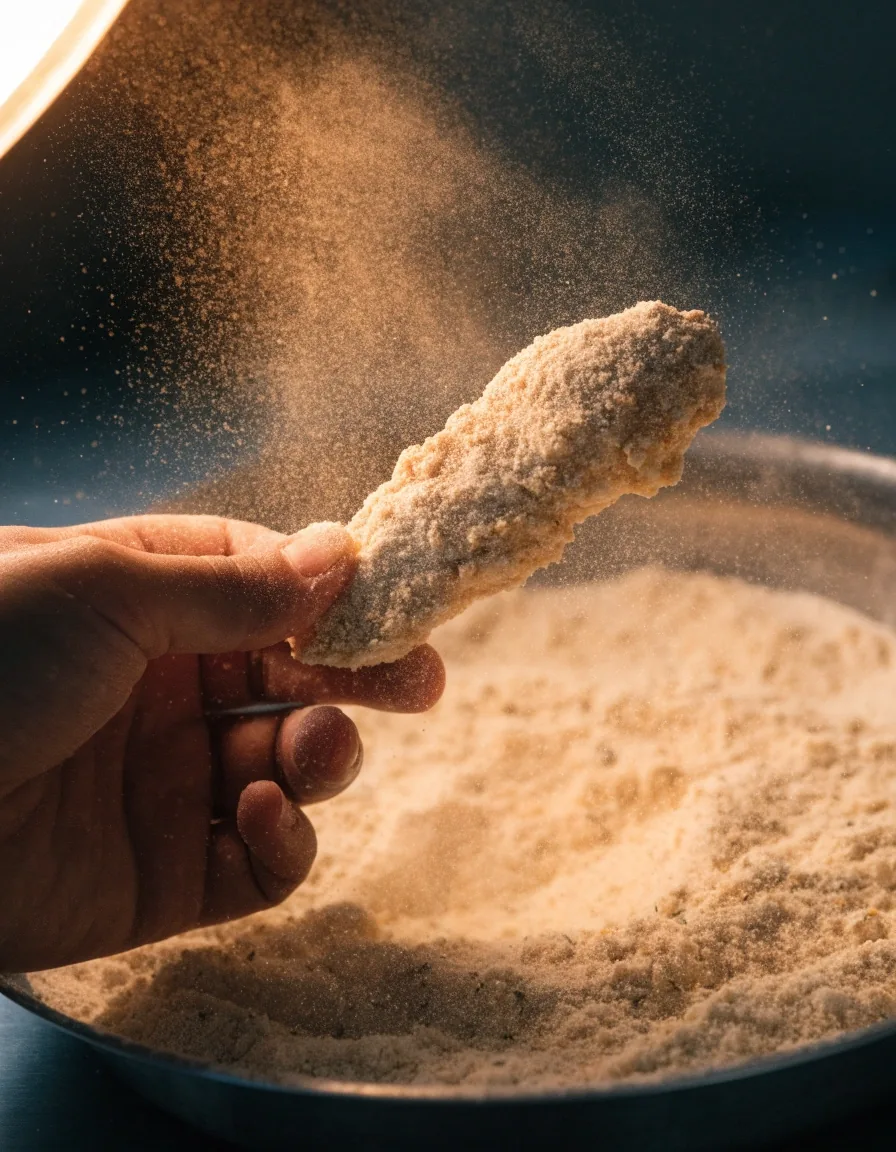
Nuggets are cut from breast meat, brined briefly, coated in a buttermilk wash and seasoned flour, then rested for ten minutes before they hit the oil. That rest is the step most home cooks skip, and it is the reason homemade nuggets shed their coating in the pan. Let the flour hydrate into the wash and it stays put.
The recipe yields a bite that holds up to dipping, which is the whole point of the format. It also scales easily. A single batch feeds two adults, and doubling it works fine as long as you fry in batches instead of crowding the pot.
Same dredge, different heat curve
Cutlets get pounded even so the inside cooks at the same rate as the crust. Bone-in pieces drop the oil temperature slightly and stretch the time, because the meat around the bone needs longer to reach temperature. The recipes list times, but your stove, your pot, and the size of your chicken will shift those numbers. The technique guide teaches you what to look for so you can correct in the moment instead of following a clock that does not match your kitchen.
Sauces and finishing glazes
The pack includes four sauces and three dry finishing blends. Each one is written with adjustable ratios, so you can push the heat up or pull it back without remaking the whole thing. That structure comes from treating dry rubs and sauces as separate systems rather than one flavour applied at one moment.
Buttermilk-herb dip
cool, for strips and nuggets
Honey-hot glaze
sweet then slow heat
Vinegary comeback-style sauce
sharp, cuts the fa
Simple gravy
for softer, breaded-style coating
Mild paprika base
colour and warmth, little bite
Medium cayenne-forward mix
the everyday default
Hot Nashville-style paste
brushed on after frying
Heat and flavour variations
Every fried recipe in the collection can be finished at more than one heat level, because the heat lives in the finishing step rather than the breading. Fry the batch plain, then divide it. One portion gets the mild blend, one gets the cayenne paste, and anyone who wants more can add at the table.
This is the practical answer to cooking for a mixed household. It also means a single recipe file gives you several meals' worth of variety without new shopping. The heat levels page breaks down each blend in detail if you want to plan before you cook.
See the heat level breakdownMild
Paprika base. Colour and warmth without a bite, and the level to start at if you are cooking for children.
Medium
Cayenne-forward mix. The default for a table where some people want heat and some do not.
Hot
Nashville-style cayenne paste brushed on after frying. This is the finish that gives Dave hot chicken its character.
Timing and batch planning
A full batch of strips, from brine to draining rack, runs about ninety minutes, most of it hands-off. Nuggets are faster, closer to forty-five. Wings sit in the middle. The recipes list the hands-on time separately from the waiting time so you can slot a batch into a real evening instead of blocking out an afternoon.
Strips and tenders
About ninety minutes
Brine to rack, with the brine and the rest doing most of the waiting while you get on with something else.
Nuggets
About forty-five minutes
The shortest route in the pack. Brief brine, ten-minute rest, then frying in batches.
Wings
Between the two
The double-fry version adds a step and a second rest between passes.
Frying in batches is not optional if you want consistent results. Oil temperature drops the moment cold chicken enters the pot, and it takes time to recover. Two or three pieces at a time keeps the temperature stable and the crust even. The guide includes a batch chart for each format.
Substitutions that work
Cornstarch in the dredge adds crispness; if you do not have it, the recipe still works with all-purpose flour alone, though the crust will be a little softer. Buttermilk can be replaced with milk plus a spoonful of lemon juice, rested ten minutes. Cayenne can be dialled back with paprika, but the Nashville finish depends on cayenne for its character, so that swap changes the dish more than the others.
What does not substitute well is the oil. Use a neutral oil with a high smoke point. Olive oil will taste like olive oil, and that flavour does not belong in this coating.
No cornstarch
All-purpose flour alone still works. Expect a slightly softer crust that holds sauce a little sooner.
No buttermilk
Milk plus a spoonful of lemon juice, rested ten minutes, gives the same tang and the same cling.
Less heat
Paprika in place of cayenne works for the mild blend. On the Nashville finish it changes the dish, not just the heat.
Frying oil
Keep it neutral and high smoke point. Olive oil carries its own flavour into the coating.
How the four formats compare
Same dredge, different heat curve and different resting time. This is the short version if you are choosing what to cook first.
Format
Oil temperature
Hands-on time
What to watch
Strips and tenders
350°F to 365°F
Three to four minutes per side
A dark crust can hide an undercooked centre
Wings, double fried
Lower pass, then higher pass
Two passes with a rest between
Wet skin steams instead of crisping
Nuggets
Steady, moderate
Ten-minute rest before frying
Skipping the rest sheds the coating
Bone-in pieces
Dropped slightly
Extended for the bone
Meat near the bone needs longer to reach temperature
Before you decide
The questions that come up most when someone is weighing up whether this collection fits their kitchen.
Do I need a deep fryer, or does a pot work?
A heavy pot works. What matters is depth of oil, room to move the pieces, and a thermometer you trust, because the whole method leans on holding a steady temperature. The equipment list on the kitchen page covers the pans, racks and thermometers the recipes assume.
Can I cook one format and reuse the same ingredients?
Yes. The dredge, the brine and the sauces run across all four formats, so one shop covers strips, wings, nuggets and breaded pieces. Only the heat curve and the resting time change between them.
How spicy is the hot finish, and can I dial it back?
Heat lives in the finishing step, not the breading, so you fry one plain batch and divide it. That means a mild portion, a medium portion and a hot portion come out of the same pot. The heat levels page describes each blend if you want to plan before you shop.
Is there anything to try before committing?
Yes. The free sample recipe shows the layout, the timing notation and the level of detail you get in the full collection, so you can judge the writing before you decide. Ask us for it and we will send it over during opening hours.
Pick a format and get cooking
The collection is written for home kitchens, not restaurant lines. If you want to see the method in more depth first, the technique guide walks through the dredge, the oil and the resting times that hold the whole thing together. If you would rather start with one recipe, ask for the free sample and we will send it during opening hours.